Cutting of Vegetation: Abatement and Risk of a Claim
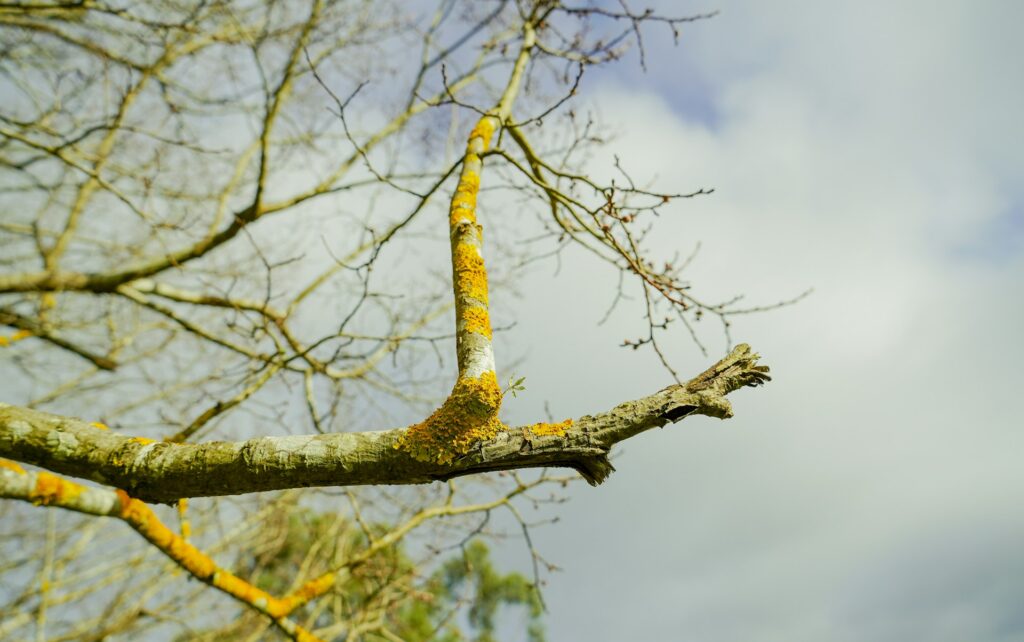
Complaints about overgrown shrubbery, trees blocking light, or the intrusion of tree roots are among the most common causes of disputes between neighbours.
However, trees and vegetation overgrowth isn’t just confined to bickering neighbours; it can be a problem for farmers, landowners, and developers managing larger sites and projects.
Introduction to Vegetation Abatement and Legal Risk
In English law, the civil offence of private or public nuisance occurs when a person’s actions on their own land create a substantial and unreasonable interference with another person’s enjoyment of their land.
The right of vegetation abatement means reducing or removing that nuisance. Vegetation abatement refers to the rights and responsibilities associated with managing trees and other vegetation on your land, be that a garden or a country estate.
If a tree on a neighbouring property has branches or roots which extend beyond that property’s boundaries, the right of abatement allows a neighbour to cut back encroaching growth providing they don’t cause damage to the tree.
A landowner has a duty to ensure that vegetation and trees don’t pose a danger to others, be they neighbours or members of the public. A failure to maintain, which subsequently causes damage, carries with it a risk of prosecution for negligence.
There are also legal risks associated with unauthorised vegetation abatement, which can lead to liability and potentially prosecution.
Nuisance, Trespass, and Property Rights
The law recognises that overgrown vegetation may constitute a nuisance.
Trees obstruct light, and tree roots can grow metres from the trunk and cause disruption and damage to underground services. There must be evidence of substantial and unreasonable interference allowing an affected party to claim damages for nuisance.
What constitutes ‘substantial’ and ‘unreasonable’ in a nuisance claim will vary from one case to another and can be the subject of protracted legal argument.
You have the right to abate the nuisance and cut back branches that cause an obstruction to your property. Vegetation abatement allows you to cut back overgrowth to the boundary line, provided you don’t harm the tree or shrub or the boundary fence or wall.
You can’t step onto your neighbour’s land, even if it’s safer and easier to cut back growth from their side. You can only cut back branches and growth reachable from your own property.
Vegetation abatement doesn’t give you the right to enter your neighbour’s garden and if you do enter your neighbour’s garden without permission you are at risk of a claim against you in trespass.
Who Is Responsible for Overhanging Branches and Roots?
The owner of the property has a duty of care to maintain trees and other large shrubs and vegetation, so they don’t pose a danger or nuisance to other people.
Determining tree ownership depends on the location of the tree trunk and the earth it sits in. If the tree sits on the boundary between two properties, the title documents should tell you who is responsible.
The usual presumption is that the tree belongs to the people who own the land on which it was originally planted. However, sometimes a history of maintenance and care by one party can contradict this.
Falling leaves or fruit can be annoying and remain the responsibility of the tree owners, even though they overhang into a neighbouring property. However, the owner doesn’t have to act unless this is causing an issue, such as blocking the drains.
When Cutting Vegetation Can Lead to a Legal Claim
You have the right to abate a nuisance and cut back overhanging branches or roots. However, if, during this process, you cause damage to the tree, property, or your neighbour’s fence or wall, you may be at risk of a claim against you.
The cuttings and debris belong to the owner of the tree or shrub and you must return them to the owner of the tree or shrub.
If you enter your neighbour’s garden to reach branches that overhang onto your property and do this without permission, then this is trespass.
While abatement can be done without notice, in our experience, it is usually better to communicate this intention to your neighbour as this assists in matters escalating into a dispute.
Tree Preservation Orders and Conservation Area Restrictions
There are regulations that protect trees, which are based on either the tree type and/or its location. Protected trees can be any size or species; they don’t have to be old or rare.
Different legislation protects trees in the UK. One of the most important is the Wildlife and Countryside Act 1981, which includes provisions for Tree Preservation Orders. The regulations protect trees in towns and cities as well as rural areas.
Tree Preservation Orders (TPOs) protect trees from harm, including lopping, cutting down, and uprooting, without obtaining consent from the local authority.
If a tree is subject to a TPO, then if you cut it or lop branches without permission, you could incur a fine. These regulations also apply to the tree owner, who may wish to cut down a tree to resolve a dispute with their neighbour.
It’s easy to find out which trees are protected by a TPO either via your local council’s website or on the government’s open data website. Failing that, just talk to the local authority planning department. Some have a designated Tree Officer.
Trees in conservation areas are protected automatically under UK planning law. It means that all trees are safeguarded within the designated zone and don’t require a specific TPO.
A tree must have a trunk diameter of over 75mm, measuring 1.5 meters above ground.
Before carrying out any work on a tree within a conservation area, the property owners must notify the local planning authority in writing, giving them at least six weeks’ notice. It allows them to assess the tree and decide whether to issue a TPO.
Abatement in Practice: How to Reduce Legal Risk
If you can adequately prune an overgrowing tree from your own property, then it’s still advisable to speak to the tree’s owner as a matter of courtesy.
If you can keep things amicable, then your neighbour may allow you to carry out the work in their garden.
Lopping or pruning established trees can be dangerous and specialist work. You might need to involve professional tree surgeons, and the costs may be high. Be clear about who is going to pay before you start work.
Ensure you are aware of the law before you do anything. Check that the tree is not subject to a TPO. What falls to the ground belongs to your neighbour, so always ask whether they want the cuttings before you arrange disposal.
It may be safer to prune or lop from your neighbour’s garden. Remember, if you damage their property, garden wall, or fence, then you are liable for remediation. Never enter a neighbour’s garden without permission.
Remedies in Vegetation Disputes
It’s always worth resolving things informally with your neighbour if you can. Neighbour disputes can become entrenched and outgrow the original cause of the problem.
If the intrusion of a tree or vegetation is causing a problem, you are unable to exercise your right of vegetation abatement effectively, and your neighbour refuses access to their property, then you can bring a legal claim against them for nuisance.
You will need to prove that there is substantial and unreasonable interference that prevents your enjoyment of your property.
Individuals must take reasonable care to maintain their trees and prevent them from causing damage.
If a branch or debris falls from a tree and damages your property, you may be able to bring a negligence claim against your neighbour, and they could be liable to pay you compensation.
Mediation may be a quicker and more cost-effective option than pursuing your neighbour through the courts. Sometimes, the intervention of a neutral third party can achieve a resolution that two people are unable to reach on their own.
Modern Risk Management for Landowners and Developers
In modern development projects, tree surveys are vital before any work starts. Lopping or removing trees will probably require consent. On a development site, this is usually dealt with at the planning stage.
Landowners with large estates or farmers are responsible for tree management where the public has access to prevent harm, and where they border other landowners.
Practical Steps Before Cutting Encroaching Vegetation
Always start by communicating with your neighbour about overhanging branches or vegetation. It’s their tree, even if the inconvenience and nuisance is in your garden.
Check that a tree is not covered by a TPO or other regulations before you take any action.
Tell your neighbour what you want to do. If you need access to their property to prune or lop the tree or prevent damage to buildings or the boundary, then ask them if you can enter the garden.
Always ask what they want done with the cuttings and tree waste; they may be more than happy for you to dispose of it, but technically, they do own it.
If the work is more than you can undertake safely, then you may require professional help. Discuss costs with your neighbour before you instruct a tree surgeon.
A tree surgeon may need access to your neighbour’s garden to assess the extent of the work. Always ask or advise your neighbour about this.
Frequently Asked Questions
Can You Cut Branches Overhanging Your Garden?
You can cut branches overhanging your garden even if you don’t own the tree, but first check whether the tree is subject to a Tree Preservation Order. If it is, you’ll need permission from the local authority first. If you live in a conservation area, a tree may be subject to other regulations.
What Happens if You Damage a Protected Tree?
If a tree is subject to a preservation order or protected by other regulations, you cannot carry out any work without written consent from the local authority. You can be fined up to £20,000 for unauthorised work. If a tree is felled or uprooted, you may be required to replace it in addition to a fine.
How Do You Deal With Neighbours’ Tree Roots?
Tree roots that are causing damage to your land or property may constitute a nuisance under common law. Talk to your neighbour first and try to find a way to address the issue. Your neighbour must be made aware of the problem and allowed to remediate before you take any further action.
You will need to take specialist advice on the effect of carrying out any root removal as if you do so and damage the neighbouring tree you are at risk of a claim against you.
Taking Advice on Vegetation Disputes
Tree problems are one of the most common reasons for neighbour disagreements, often leading to entrenched disputes which encompass boundary issues. It can become a hugely frustrating situation, even affecting your property value.
It’s always advisable to check on the legalities of the situation before you take any proactive steps. You run the risk of damaging a protected tree or creating a liability that you may not be aware of.
If you have an ongoing problem with a neighbour’s overhanging tree, or have tried to resolve the issue and are now in a dispute, our property litigation team at Helix Law will help. We offer professional and practical advice to homeowners across England and Wales.