Who Is Responsible For Cutting Overhanging Tree Branches UK?
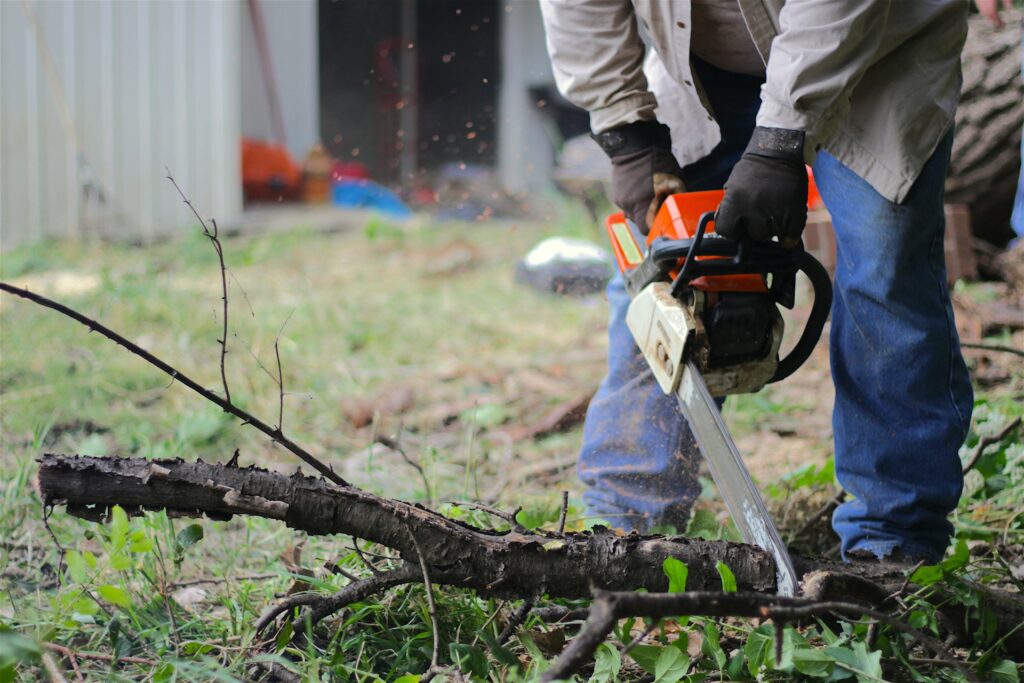
Trees adorn any garden, offering character, shade, and environmental benefits. However, if your neighbour’s tree overshadows your garden, it’s probably not something you welcome.
Trees can cause other issues for homeowners and neighbours. Roots can damage the soil, plants, and buildings. Leafy canopies obstruct daylight in homes and gardens, and leaf drop is a seasonal problem. Tree encroachment can constitute a private or public nuisance if it unreasonably interferes with a person’s land or enjoyment of it.
Overhanging trees are a common problem and a traditional source of neighbourhood disputes, so what does the law say? Our property litigation team handle all manner of different property related disputes, nationally. If you need advice and/or assistance including on this or similar issues, don’t hesitate to contact us and we will be happy to help.
Under UK Law Can You Cut Overhanging Tree Branches?
The law of England and Wales is quite clear on the issue of cutting overhanging tree branches.
You can cut or trim any overhanging branches that encroach from a neighbour’s tree over your garden or house, but only up to the boundary of your property and no further. It’s called ‘the right to abate nuisance’ and is considered a form of self-help.
If the tree is on the actual boundary between the properties, the legal title documents should inform you on which homeowner is responsible for the tree in question. If you don’t have a record, you can obtain details on your property at the Land Registry. The presumption regarding the ownership of a tree on a boundary between properties is usually that the tree belongs to the owners of the land on which it was planted, but you should always check a tree’s status before pruning, cutting, or lopping.
Where a tree is planted on a boundary between two properties, ownership can be inferred from circumstances such as regular maintenance by one neighbour. It can be inferred that a tree on a boundary is owned in common by two landowners, though this is not the prevailing view.
You should also be mindful that some UK legislation protects certain trees.
If the tree is the subject of a Tree Preservation Order, then you cannot touch it without the written consent of the local planning authority. These restrictions also apply to all trees located in conservation areas.
Should You Ask Your Neighbour Before Cutting Overhanging Branches?
The law does not require notice to the tree owner if you are cutting branches that have encroached onto your boundary and you do not need permission to do so. However, it’s always worth doing so as a courtesy and to help avoid a later dispute.
You must stay on your own property. You are not legally allowed to enter your neighbour’s garden without permission, as this constitutes a trespass, even if cutting the branches from their side of the fence is easier and safer.
One rather strange feature of UK law is that you must offer the severed cuttings from the overhanging tree to the tree owner. This is a legal requirement as the branches remain the tree owner’s property even when they have been severed.
Who Should Pay for Pruning Overhanging Branches?
If the tree in question requires serious pruning or potentially involves work at height, then this is often beyond the remit of the average person and a third party, like a tree surgeon, may have to be instructed. However, this leaves the question of which party should pay?
Unfortunately, the law is silent on this point, so it comes down to a matter of agreement (or disagreement!) in each individual case.
If you have a good relationship with your neighbour, it may be possible to agree that they pay, or you share the cost; extensive tree surgery will likely require access to their property anyway. However, you can’t insist on it or present a bill once the work is complete, so an arrangement will have to be made beforehand if you wish for the tree owner to cover costs.
Who is Responsible for Branch Clearance?
Your neighbour technically owns the cuttings and debris, which is why the law states that you must offer them back to them if you have severed branches. However, if your neighbour doesn’t want to take the cuttings, they’re not obliged to do so despite the law.
Resist the temptation to throw them back over the fence. If the tree owner does not want the severed branches or debris, you, as the cutter, are responsible for getting rid of what you have pruned. Dumping them in your neighbour’s garden will likely cause a dispute.
How Can You Resolve Tree Disputes with Your Neighbour?
The best way to resolve tree disagreements with your neighbour is to try to avoid a dispute by taking the necessary considerations and precautions set out above.
Involving a solicitor can nip an escalating dispute in the bud.
Frequently Asked Questions
What Can I Do About a Neighbour’s Tree Overhanging My Garden?
You can cut the branches back to your property boundary, and you don’t need their permission for this, although it’s a courtesy to ask, and it might help promote good relations.
Remember, you must offer the severed branches to them as, in law, the tree owner still owns the cuttings.
Can I Insist My Neighbour Cut His Trees?
No, not unless the tree is dangerous. You cannot compel the tree owner to cut their trees or expect the tree owner to pay for them if you cut the branches on your side.
If your neighbour has an evergreen hedge made up of conifers which is more than two meters above ground level, you can complain to the LPA under the High Hedges legislation under Part 8 of the Antisocial Behaviour Act 2003. If the hedge is causing problems, the council can issue a remedial notice requiring the owner to remedy the problem.
Final Thoughts
Disputes over trees are one of the most common causes of neighbour disputes, often also linked to boundary disputes. These issues can be frustrating, potentially affecting your property, and even your ability to sell your property. For these reasons it is important that however minor they might appear, you’re clear on your legal position before taking any steps that might inadvertently worsen your position and cost time and money to fix later.
If you have a problem with an overhanging tree or are already in dispute with your neighbour, contact our property litigation team at Helix Law for expert and professional advice. We act nationally and will be happy to help you.