We look at:
How Common Are Construction Disputes?10 Common Causes of Construction DisputesMiscommunication and Contractual MisunderstandingsUnforeseen Site Conditions and ChangesPoorly Drafted AgreementsDelays and Scheduling IssuesPayment DisagreementsVariations and Change OrdersPoor Workmanship or DefectsBreach of ContractInadequate Project ManagementUnrealistic Expectations or Budget ConstraintsAddressing Contractual Issues to Minimise DisputesLegal Review and Expert InputClear and Comprehensive ContractsManage Uncertainty Through Effective CommunicationEstablishing Open Lines of CommunicationFacilitate Regular Coordination MeetingsConstruction Litigation Process in the UK ExplainedAlternatives to LitigationFrequently Asked QuestionsWhich Are the Three Most Common Areas for Construction Disputes?What Are the Three C’s in Construction?Secure Expert Legal Advice for Your Construction DisputesWhat Causes Construction Disputes?
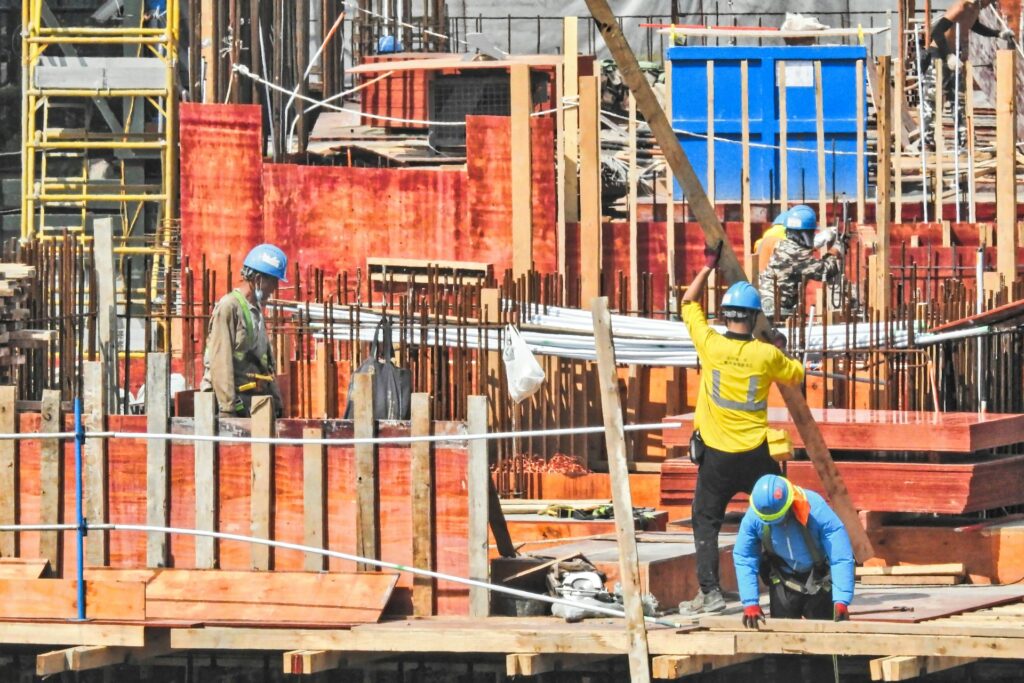
Construction projects rarely go entirely to plan. With so many people, pressures, and pounds involved, even a slight hiccup can spiral into something bigger. Maybe the site throws up an unwelcome surprise, or the payment schedule starts slipping; whatever the cause, disputes often follow familiar patterns. The good news is that most of them can be prevented.
Let’s take a closer look at where things tend to go wrong and how to stop problems before they escalate.
How Common Are Construction Disputes?
Construction disputes are more common than many people realise. With multiple contractors, tight schedules, complex contracts, and fluctuating costs, the potential for things to go wrong is high.
In the UK, disputes often arise even on smaller construction projects, particularly when contracts aren’t properly managed or expectations aren’t clearly set. The key to avoiding these issues is spotting the warning signs early and having proper safeguards in place from the outset.
10 Common Causes of Construction Disputes
Miscommunication and Contractual Misunderstandings
One of the most frequent causes of conflict in construction is poor communication, especially when it comes to interpreting the contract. If one party assumes that works include certain tasks that the other didn’t intend to provide, tensions can escalate quickly. This most frequently happens when technical terms aren’t fully understood by all stakeholders, or when verbal instructions contradict the written agreement.
Clarity upfront and regular check-ins throughout the project can help avoid this, especially when you document changes clearly and communicate them across teams.
Unforeseen Site Conditions and Changes
Surprise ground conditions like poor soil quality, hidden asbestos, or unmapped utility lines can drastically impact timelines and budgets. These risks are often outside the contractor’s control, but if contracts don’t include provisions for handling them, disputes over who shoulders the cost are almost inevitable.
Failing to conduct thorough site investigations before work begins only compounds the problem, creating a high-tension situation once the issue surfaces.
Poorly Drafted Agreements
Vague contracts with ambiguous language leave too much room for disagreement. If the scope of work, payment terms, or timelines aren’t clearly defined, each party may interpret them differently. A poorly drafted agreement may also overlook dispute resolution clauses or change management procedures, leaving parties without a clear roadmap when problems arise.
Delays and Scheduling Issues
Project delays are a breeding ground for disputes, particularly when they lead to knock-on effects for other trades or financial penalties. Disagreements often stem from unclear scheduling responsibilities, overly optimistic timelines, or a lack of contingency planning. Even weather-related disruptions can cause conflict if there’s no contractual clarity on how they’re to be handled.
Payment Disagreements
Late payments, withheld funds, or disputed invoices are some of the most common causes of friction. Contractors could walk off-site, and clients may accuse them of inflating costs or billing for unfinished work. Issues can also arise when milestone payments are tied to vague deliverables, making it hard to assess whether payment is due. Payment law is quite complex and builders cannot simply walk off site, they need a valid application and then they need to serve at least 7 days notice to suspend in accordance with the Housing Grants, Construction and Regeneration Act 1996 (as Amended)
Variations and Change Orders
Mid-project changes, especially those that aren’t properly documented, can lead to big problems, especially if they aren’t agreed in writing or priced fairly. This is especially problematic in fast-paced projects where verbal agreements are common and paperwork takes a back seat.
Poor Workmanship or Defects
Quality disputes arise when one party claims that work has not been carried out to the agreed standard. These can be subjective unless the contract includes specific benchmarks or inspection criteria. If rework is needed, arguments may arise about who pays and whether the original standard was ever properly defined.
Breach of Contract
When one party fails to meet their obligations, such as turning up on time, completing work to specification, or providing agreed-upon materials, it can trigger formal disputes or even full-blown litigation. Breaches often stem from unrealistic timelines, resource shortages, or breakdowns in communication, and they usually escalate very quickly if not addressed early.
Inadequate Project Management
Lack of a clear point of contact or inconsistent site supervision can lead to miscommunication, safety issues, and misunderstandings. With no one accountable for overseeing progress, issues often snowball. Poor project management can also mean missed deadlines, failure to document changes, and insufficient quality control, all of which raise the risk of disputes.
Unrealistic Expectations or Budget Constraints
Sometimes, projects fall apart because the initial expectations were never achievable. When cost-cutting undermines quality or tight deadlines push contractors to rush, the result is often disputes over standards, timeframes, and completion. Clients may expect luxury finishes on a shoestring budget, leaving builders trying to deliver the impossible with limited resources.
Addressing Contractual Issues to Minimise Disputes
Poorly drafted or vague contracts are one of the biggest culprits behind construction disputes. Getting things right from the start can save a great deal of time, money, and stress later on. A strong contract will set out how problems will be handled if things go wrong.
Legal Review and Expert Input
Before anyone signs on the dotted line, contracts should be reviewed by a solicitor familiar with construction law. This helps to identify potential risks, unclear clauses, or missing terms and rectify them before the contract becomes binding. In more complex projects, bringing in a contract administrator or quantity surveyor can also ensure the technical side of the agreement aligns with industry-standard legal and commercial expectations.
Clear and Comprehensive Contracts
Your contract should leave as little to interpretation as possible. That means clear definitions of the scope of work, payment terms, variation procedures, quality standards, and how delays or disputes will be dealt with. Including mechanisms for adjudication or mediation can also offer a built-in resolution method if disagreements arise.
Manage Uncertainty Through Effective Communication
No matter how strong your contract is, poor communication can still derail a project. Many construction disputes don’t start with major disagreements; they begin with missed updates, vague instructions, or unspoken assumptions that slowly spiral into expensive or time-consuming problems.
Establishing clear communication structures early on helps everyone stay aligned, improves accountability, and makes resolving problems before they escalate easier.
Establishing Open Lines of Communication
From day one, there should be absolute clarity on who’s responsible for what, and who to contact when questions or issues crop up. Everyone involved in the project (contractors, subcontractors, consultants, and clients) should know how communication will flow. That means choosing clear channels (email, project management tools, messaging platforms), setting expectations on response times, and ensuring any updates or concerns are directed to the right people. It’s also a good idea to assign a central point of contact or project manager who can coordinate messages and avoid crossed wires.
Facilitate Regular Coordination Meetings
Weekly or fortnightly site meetings can be a simple but highly effective method of keeping things on track. These meetings provide accountability to review progress and resolve issues collaboratively before they have a chance to escalate. Keeping a formal record via meeting minutes or action points provides a useful paper trail if disagreements arise later. Even short, well-run meetings can make a big difference in reducing risk and maintaining trust.
Construction Litigation Process in the UK Explained
When disputes can’t be resolved through negotiation or alternative dispute resolution (ADR), litigation may be the only remaining option, unless your contract contains an abitration clause. The UK legal system offers a structured and well-defined process for resolving construction disputes through the courts, though it can be time-consuming, costly, and complex if not managed proactively.
Litigation typically begins with a letter of claim, which is sent to the other party outlining the issues, legal basis of the claim, and any damages sought. The other party must then provide a formal letter of response within a set timeframe. If the dispute remains unresolved, court proceedings can be issued, most often in the Technology and Construction Court (TCC), a specialist branch of the High Court that handles complex construction and engineering cases.
Once proceedings are underway, both parties are required to engage in disclosure, sharing all documents relevant to the dispute. They’ll also need to exchange witness statements and, in many cases, present expert evidence (such as surveyor or engineer reports) to support their positions. Throughout, there may be court-directed case management conferences to keep the matter on track.
If a settlement is still not reached, the case proceeds to trial, where a judge hears the evidence and arguments before making a legally binding decision. Depending on the complexity, some cases can also be decided on paper submissions without a full hearing.
Litigation is usually considered a last resort, pursued when parties are too far apart to compromise or where urgent relief is needed, such as an injunction to stop work or secure an asset. If you’re considering going down this route, seeking legal advice early is essential, as poor case preparation or missed deadlines can seriously damage your position.
Alternatives to Litigation
In many cases, it’s worth exploring ADR methods before heading to court. These include:
- Mediation, where an independent facilitator helps both parties reach a solution that’s agreeable to both parties.
- Adjudication, which offers a faster, interim decision, is commonly used in construction under the Housing Grants, Construction and Regeneration Act 1996.
- Arbitration, a private process where an arbitrator gives a binding ruling.
ADR often preserves business relationships and saves significant time and costs. Your solicitor can advise on the best approach for your specific situation.
Frequently Asked Questions
Which Are the Three Most Common Areas for Construction Disputes?
The most common construction disputes in the UK tend to involve payment issues, project delays, and defective work. These areas often lead to tension between contractors and clients, particularly when expectations aren’t clearly set out or timelines slip. Clear contracts and early legal advice can help prevent escalation.
What Are the Three C’s in Construction?
The three C’s are communication, coordination, and contracts, and they’re vital for a successful construction project. Good communication keeps all parties aligned, effective coordination helps avoid delays and duplication of work, and clear, comprehensive contracts lay out responsibilities and resolve uncertainties before they become costly legal disputes. All three go hand in hand.
Secure Expert Legal Advice for Your Construction Disputes
Construction disputes can escalate quickly and cost thousands if not handled correctly. At Helix Law, we specialise in construction litigation, adjudication and dispute resolution. Whether you need your contracts reviewed, a settlement negotiated, or need effective representation in adjudication or court, we’ll guide you every step of the way.
We act for clients across the UK and understand the pressures construction projects face. For expert help, get in touch with our team today.